

How to Secure Your Photography Gear on Adventures in Australia

Assess Your Gear Needs
Hello, fellow photography explorers! When venturing through the sweeping landscapes of the Cape Byron Lighthouse trail, it's crucial to ensure you have the right gear for a successful shoot. This entails not only knowing your equipment but also understanding how to protect it from the varied and unpredictable elements of nature.
Essential Equipment List
First on the list should be your tried-and-true DSLR. Its fast autofocus capabilities are a game changer for capturing wildlife in motion. A versatile zoom lens is also invaluable, allowing you to securely snap shots from a safe distance. Don’t forget a sturdy tripod, one robust enough to handle the uneven terrain found in Australia’s natural settings.
Evaluating Weather Resistance
In these lush areas, especially around Tallow Beach, weather can turn swiftly without warning. Opt for cameras and equipment cases that are renowned for their weather resistance. Gear with a high IP rating offers that added peace of mind, making sure your precious equipment remains safe in unexpected downpours.
Identifying Vulnerability Points
An often-overlooked aspect is identifying where your setup might be vulnerable. While a trusty Voice Recorder is invaluable for safeguarding your campsite, you'll also want to secure your gear bags with durable locks. Be mindful of potential weak points, such as zippers or external pockets, that could be prone to damage or theft.
By addressing these key areas, you’ll be well-prepared for any photographic adventure, ensuring your focus remains solely on capturing the breathtaking beauty before you.
Overcoming Challenges in the Wild
Protecting Against Equipment Theft
Hello, fellow explorers and photo aficionados! When navigating the Cape Byron Lighthouse trail or capturing the untamed beauty of Tallow Beach, safeguarding your gear against theft is crucial. Let's dive into some field-tested advice. Try securing your equipment with discreet cables that can be anchored during breaks. This simple yet effective tactic ensures your gear isn't a thief's easy target. Another useful tip is to utilize 4G security cameras that can be remotely accessed, providing a watchful eye when you momentarily step away from your setup.
Navigating Environmental Hazards
Natural beauty often comes with nature's whims. The lush rainforests of the Hinterland might lure you in with their misty veneer, but they're also a test of your gear's resilience against unpredictable weather. Opt for gear that boasts high weather resistance. Wrap your camera in water-repellent covers and shield your thrilling story captures from unexpected showers. Remember, even the hardiest equipment has its limits, so continuously inspect and maintain your gear post-adventure.
Ensuring Reliable Remote Communication
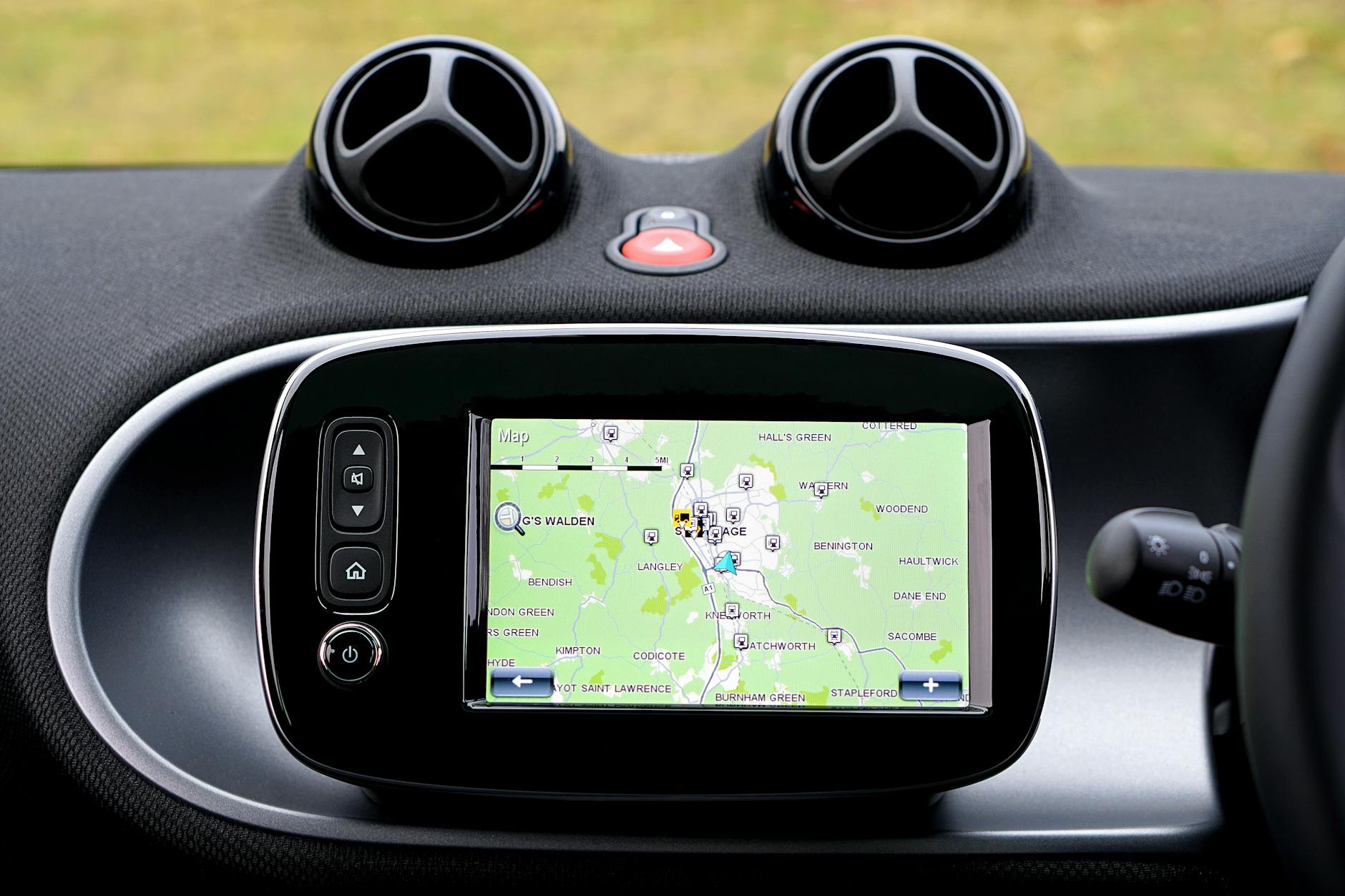
Venturing into remote areas without constant connectivity, like the secluded spots around Tallow Beach, can present communication challenges. Equipping yourself with GPS trackers ensures you always have a lifeline to civilization. Stay connected with portable satellite communicators—they offer a reliable way to relay your location and signal for help if needed. This practical tip empowers you to embark on your exploration confidently, knowing you're prepared for the journey ahead.
Armed with this knowledge, you're ready to blaze new trails with confidence and ease. Embrace each moment with empowered enthusiasm. Happy shooting, and here's to the next adventure, mate!